Celebrating Thanksgiving After the Loss of a Loved One

Celebrating Thanksgiving after the Loss of a Loved One

Is it possible to partake in celebrating Thanksgiving after the loss of a loved one? Whether it be soon after a death occurred or years later, the profound loss of someone close to you can affect how you approach this time of gratitude, togetherness and positive spirits.

Thanksgiving is traditionally a time to gather with family members and friends, sharing in the joy of laughter, good food, and meaningful conversations. But how can we honor this cherished holiday when our hearts are aching from the absence of a loved one who is no longer physically present?

First and foremost, it is essential to acknowledge that grief takes many forms and it is different for everyone. Therefore, there is no one-size-fits-all approach to navigating this holiday. Each individual’s journey is unique, and it is essential to honor and respect your own emotions and personal needs.

There are several meaningful ways to manage celebrating Thanksgiving after the loss of a loved one. Take into consideration the following suggestions:

1. Visit the Cemetery

Holidays are the perfect opportunities to visit the cemetery. Many people attend the burial and the unveiling on the anniversary of the death. But over time, trips to the cemetery may become few and far between for various reasons. The days surrounding Thanksgiving are convenient to many due to the time off from work or school,  and especially if they are traveling from out of town to see other family members living near the cemetery. 
 

2. Share Memories

During the day’s festivities, take the time to celebrate the life of and share cherished memories of your loved one. This can be done around the dinner table or in a more private setting. Sharing stories that embody their spirit and impact can help keep their memory alive and foster a sense of connection between family members and friends.

3. Volunteer or Give Back

Honor your loved one’s memory by engaging in acts of kindness and giving back to the community. Consider volunteering at a local shelter or donating to a cause that held a special place in their heart. This not only helps you find comfort in assisting others but also perpetuates the values your loved one carried.

4. Start New Traditions

While maintaining some of the cherished traditions, it can also be healing to introduce new customs to your Thanksgiving celebration. Whether it’s trying out a new recipe, or going for a family hike, these novel traditions can create opportunities for joy and bonding, even in the midst of grief.

5. Practice Self-Care

Self-care plays an integral role in coping with loss. Embrace the significance of this holiday by taking care of yourself emotionally, physically, and spiritually. Engage in activities that bring you comfort, such as journaling, meditation, or seeking the counsel of a trusted friend or counselor.

Remember that each person’s grief journey is unique, and there is no right or wrong way to approach Thanksgiving after losing a loved one. The most important thing is to find moments of solace, connection, and gratitude amongst the pain. Reach out to your support system, lean on your community, and be kind to yourself.

Star of David Memorial Chapels is Here to Help

Our funeral directors at Star of David Memorial Chapels on Long Island, New York, are here to guide you through difficult times. Whether it is for funeral pre-planning, making funeral arrangements, or providing resources, we are here for you. Please get in touch with us at 631-454-9600.

 
Hands coming together to make star with sky as backdrop.

Mourning During Tragic Events: Navigating through Collective Grief

Mourning during tragic events differs from mourning an individual loss. In times of great tragedy, such as the loss of multiple lives, it becomes crucial to come together as a community to mourn and heal. There are several ways to navigate through the overwhelming grief, including finding support and implementing coping mechanisms to get through heart-wrenching events.

1. Acknowledge And Validate Your Emotions

Grieving is a natural response to loss, and when faced with the loss of many lives, it is perfectly normal to experience a whirlwind of emotions. Allow yourself to acknowledge these emotions and understand that they are valid. Avoid suppressing or ignoring them, as it is essential to process grief in a healthy and constructive manner.

2. Seek support from others

During times of tragedy, leaning on the support of others is crucial. Reach out to friends, family members, or support groups who can empathize with your emotions. Expressing your feelings and listening to others can provide solace and help in healing together as a community.

3. Create a support network

Organize gatherings or create virtual platforms where people affected by the tragedy can connect and share their experiences. This support network can offer a safe space for individuals to express their emotions without judgment. Coming together as a community helps build resilience and promotes healing.

4. Practice self-care

While grieving, it is important not to overlook self-care. Engaging in activities that provide comfort and solace can help alleviate the pain experienced during this challenging time. Whether it’s practicing mindfulness, spending time in nature, or seeking professional counseling if needed, taking care of yourself is paramount in processing and overcoming profound grief.

5. Share stories and celebrate lives

Remembering the lives lost by sharing stories, photos, and fond memories can contribute to the healing process. Organize memorial events or create online memorials, allowing people to reflect on the positive impact those individuals had on their lives. Celebrating their legacies becomes a way to honor their memory and bring the community closer together.

Working Towards Healing

Navigating through the unimaginable pain of losing many lives after a tragedy is undeniably challenging. However, by acknowledging and validating our emotions, seeking support, and practicing self-care, we can gradually find solace and healing.

Remember, the process of mourning is unique to each individual, and it is important to be patient with ourselves and one another as we collectively work towards healing and resilience.

We Are Here To Help

Our funeral directors at Star of David Memorial Chapels on Long Island, New York, are here to guide you through difficult times. Whether it is for funeral pre-planning, making funeral arrangements, or providing grief resources, we are here for you. Please get in touch with us at 631-454-9600.

Woman on beach in reflection. Overcoming the Loss of a Spouse

Overcoming the Loss of a Spouse

Overcoming the loss of a spouse is undoubtedly one of life’s most heartbreaking and challenging experiences. Suddenly, the life you had built together is shattered, leaving you feeling lost, alone, and uncertain of how to move forward. While the pain may never completely fade, we firmly believe that healing is possible, and a meaningful life can be rediscovered.

1. Acknowledging and Processing Grief

Grief is a complex emotion, and it is essential to allow yourself the time and space to mourn, grieve, and come to terms with your loss. It’s okay to experience deep sadness, anger, confusion, and even moments of denial. Seek comfort in your loved ones and consider joining a support group or talking to a grief counselor who can provide guidance during this difficult period.

2. Finding Strength in Connections

Amid sorrow, surround yourself with a strong support system. Family members, friends, and even online communities can provide immense comfort and companionship during this challenging journey. Share your feelings, share memories, and allow yourself to lean on others whenever you need support. Compassionate connections can help you gradually rebuild your life and find optimism once again.

3. Rediscovering Yourself

After the loss of a spouse, it’s essential to rediscover your identity and redefine your purpose. Everyone’s journey towards healing is unique, but finding joy outside of your relationship can be instrumental in getting back on your feet. Explore personal hobbies, engage in activities that bring you fulfillment, and consider volunteering or joining a club to meet new people who share similar interests.

4. Embracing Self-Care

Grieving takes a tremendous toll on our mental, emotional, and physical well-being. Prioritizing self-care is crucial as you navigate this difficult path. Take the time to nurture your mind and body with healthy habits such as exercise, proper nutrition, meditation, and journaling. Remember, self-compassion and self-love play a vital role in healing.

5. Reflecting on the Memories

While loss brings immense pain, it is crucial not to let it overshadow the beautiful memories you shared with your spouse. Cherish their legacy, their love, and the impact they had on your life. Celebrate their life by creating a memorial, sharing stories, or engaging in activities that hold a special significance to both of you.

6. Seeking Professional Help

If feelings of grief and loss become overwhelming or prolonged, it’s essential to seek professional help. Grief counseling or therapy can provide guidance on coping strategies and offer a safe space to express emotions, facilitating the healing process. Remember, seeking help is a sign of strength, not weakness.

We understand that the journey of overcoming the loss of a spouse is challenging, and there is no single roadmap to healing. But by embracing hope, connecting with others, and taking small steps forward, it is possible to navigate the labyrinth of grief and find meaning and peace once again.

We Are Here to Help

Our funeral directors at Star of David Memorial Chapels on Long Island, New York, are here to guide you through difficult times. Whether it is for funeral pre-planning, making funeral arrangements, or providing grief resources, we are here for you. Please get in touch with us at 631-454-9600.

Person with pencil writing on blank envelope. What to Write in a Condolence or Sympathy Card.

What to Write in a Condolence or Sympathy Card

Determining how to communicate with someone when a death has occurred may leave you perplexed. When someone you know experiences a loss, one way to show your support and care is by sending a condolence or sympathy card. However, it can be challenging to find the right words to express your condolences. You don’t want to upset the recipient, but you also want them to know that you are here for them and thinking of them during this difficult time. Here are a few tips on what to write in a condolence or sympathy card that will let the recipient know they are in your thoughts.

Start with a Personal Greeting

Address the recipient by name and using a salutation such as, “Dear [their name(s)].”

Express Your Feelings

Start the condolence or sympathy card by acknowledging the loss and expressing your sympathy. You can use phrases like, “I’m so sorry for your loss,” “My heart is with you and your family,” or “Please accept my deepest condolences.” These phrases will let the recipient know that you care and that you are sorry for what they are going through.

Share a Memory or a Thought

If you knew the deceased well or have a personal connection, it can be useful to share a fond memory or thought about the person who passed away. This will help the person receiving the card know that you understand and appreciate the person they lost.

Offer Support

Offering support can mean a lot to someone, even if it’s just telling them that you are here for them. A simple “Please let me know if there is anything I can do to help you during this time” or “I’m here whenever you need to talk” can be enough.

Sign Off with Care

When you sign off from your condolence or sympathy card, make sure you include your name and a thoughtful message. You can use phrases like, “With love and sympathy,” “Thinking of you always,” or “Sincerely.” Make sure that you sign off in an appropriate manner, based on your relationship to the recipient(s) which can be a family member, friend, colleague, or other relation.

You are Now Ready to Write!

Writing a condolence or sympathy card can be challenging, but it can also be an incredibly meaningful way to show your support and care. Remember to start with a personal greeting, express your feelings, share a memory or thought, offer support, and sign off with care. With these tips, you’ll be able to write a heartfelt condolence or sympathy card that lets the recipient know you are there for them during this difficult time.

Additional ways to share your sentiments and support would be to send or bring an appropriate gift while the mourner is sitting shiva or to make a donation to a charity of their choice. Another thoughtful gesture is to send a thinking of you card on the anniversary of the death, or Yahrzeit.


Contact our funeral directors at Star of David Memorial Chapels on Long Island, New York, with any other questions surrounding Jewish funerals. Our team will be happy to help you. Call us today at 631-454-9600.

Mirror covering during Shiva

Why are Mirrors Covered During Shiva?

Have you ever seen the mirrors covered during a shiva call and wondered, “Why are mirrors covered during shiva?” One of the most commonly asked shiva-related questions is easily explained.

In times of mourning, Jewish customs and rituals provide comfort and guidance for grieving families. One such tradition that Jews observe during the Jewish mourning period of Shiva is the covering of mirrors. The profound significance behind this practice dates back centuries with several reasons why there is valuable symbolism for those mourning the loss of a loved one.

1. Honoring the Deceased

The customs and rituals observed during the Jewish mourning period of Shiva are designed to honor and remember the life of the recently deceased. By covering mirrors in the house, mourners redirect their focus towards reflection and introspection, rather than vanity and personal appearance. This act helps mourners remember values and virtues embodied by the departed, fostering an atmosphere of remembrance and reverence.

2. Focusing Inward

During the Shiva period, mourners are encouraged to turn their attention inward, reflecting on their emotions and memories of the departed. By covering mirrors, Jewish tradition symbolically reminds mourners to avoid distractions caused by their outward appearance. This allows for meaningful self-reflection, fostering an environment conducive to spiritual and emotional healing.

3. Diminishing the Boundary Between Worlds

The loss of a loved one often leaves us yearning for connection and understanding. Covering mirrors during Shiva is believed to help diminish the boundary between the physical and spiritual realms. Many believe that by blocking one’s reflection, mourners can easily connect with the departed soul, enabling a sense of closeness and continuity beyond the physical world.

4. Respecting Privacy

Shiva is a time of deep vulnerability. Therefore, as mourners grapple with sorrow and grief, it is important to provide them with a safe, private space for mourning and reflection. Covering mirrors serves as a symbolic reminder of the need for privacy during this sensitive time, shielding mourners from their reflections and allowing them to process emotions without unnecessary distractions.

5. Embracing Impermanence

Covering mirrors also serves as a reminder of the ephemeral nature of life. Judaism teaches that material possessions are ultimately transient. Thus, by momentarily concealing mirrors, mourners acknowledge and accept the impermanence of physical appearances and worldly attachments. Through this practice, Jewish tradition encourages individuals to focus on the everlasting essence of the soul and the memories shared with the departed loved one.

We Are Here To Help!

Our funeral directors at Star of David Memorial Chapels on Long Island, New York, are here to guide you through difficult times. Whether it is for funeral pre-planning, funeral arrangements, or providing Shiva resources, we are here for you. Please get in touch with us at 631-454-9600.

 
Mom hugging her daughter. How to Help A Grieving Child

How to Help A Grieving Child

Losing a loved one is heartbreaking, and the situation becomes more complex when you are dealing with how to help a grieving child. Helping children navigate the complex emotions associated with grief and loss can be an overwhelming task. As a Jewish funeral home, our mission goes beyond providing funeral services; we aim to support families during their most vulnerable times. Here we explore the unique perspective of assisting children throughout the mourning process within the context of Jewish traditions and funeral customs.

1. Honoring Jewish Funeral Customs

Judaism places great importance on mourning rituals, providing structure and support during times of grief. Our website contains resources that aim to educate children and their families about Jewish customs, such as Shiva, Kaddish, and Yahrzeit. We explain the significance of these practices and how they help preserve memories and provide comfort during the grieving process.

2. Creating a Safe and Open Environment

Children process grief differently from adults and may require a safe space to express their emotions freely.  Strive to create an environment where children feel comfortable sharing their thoughts and concerns without judgment. By fostering an atmosphere of trust and compassion, you can guide them towards understanding and acceptance as they cope with their loss.

3. Age-Appropriate Explanations

When dealing with how to help a grieving child, it is crucial to offer age-appropriate explanations about death and the grieving process. Use clarity and sensitivity in your conversations, ensuring that children understand the concept of death in a way that aligns with their emotional development. By using simple language and compassionate communication,  children gradually grasp the reality of their loved one’s passing and its implications.

4. Encouraging Grief Expression

Allowing children to express their grief in their own unique ways is essential for their healing journey. There are  various forms of grief expression, including art therapy, journaling, and storytelling. By encouraging children to express their emotions creatively, you are providing them with an outlet to process their feelings and explore healthy coping mechanisms.

5. Inclusion in Funeral Ceremonies

Children are often actively involved in the funeral and mourning rituals. However, children should have the opportunity to participate when they feel comfortable and willing. Inclusion can range from performing symbolic actions during the funeral service or contributing to the eulogy. Participating in these rituals can help children find closure, gain a sense of belonging, and honor their loved one’s memory.

6. Supporting Siblings and Peers

When a child experiences loss, their siblings and peers may also be affected deeply. You can  support siblings by providing resources and opportunities for them to connect with other children who have experienced similar losses. Group counseling sessions, playdates, or grief camps can help facilitate discussions and foster a sense of belonging and understanding among these young individuals.

We Are Here To Help!

Grief and loss impact children differently than adults, requiring a unique approach to help them navigate this profound life experience. Our funeral directors at Star of David Memorial Chapels on Long Island, New York, are here to guide you through difficult times. Whether it is for funeral pre-planning, making funeral arrangements, or providing grief resources that aid in how to help a grieving child, we are here for you. Please get in touch with us at 631-454-9600.

Headstone inscription from Jewish Unveiling

What is the Significance of a Jewish Unveiling?

In the realm of Jewish traditions, the Jewish unveiling ceremony holds deep significance and serves as a poignant moment of remembrance for loved ones who have departed.

Understanding the Significance

Dating back centuries, those of the Jewish faith have embraced rituals that respect the deceased while providing solace to those in mourning. The Jewish unveiling ceremony typically occurs a year after the burial, or time of the Yahrzeit. This gives time for the initial grief to subside and allows the family to prepare for this important milestone. It represents the moment when the headstone or cemetery monument is revealed. Therefore, serving as a symbolic gesture to honor the memory of the departed and acknowledge the completion of the Jewish mourning period.

Preparing for the Ceremony

Prior to the unveiling, meticulous preparation takes place. Families collaborate closely with a cemetery monument company to design an engraved headstone. A Jewish headstone often incorporates Hebrew inscriptions, the departed’s name, and personal messages. The headstone becomes a tangible connection to their loved one, providing an enduring monument and inviting future generations to learn about their family heritage while paying respects.

The Ritual of Unveiling

The unveiling ceremony itself is conducted at the gravesite and is attended by close family members and friends. A rabbi or a loved one may lead the service, reciting prayers such as the Mourner’s Kaddish, psalms, or meaningful passages from Jewish texts. The atmosphere is solemn, providing a safe space for expressions of grief and memories of the deceased.

The Unveiling Process

Following an invocation, family members remove a cloth or covering, symbolically revealing the headstone inscription. This symbolic act represents the unveiling of the memories and legacy left behind. It also signifies that the departed’s soul has ascended and is at peace. Lastly, it encourages attendees to reflect on their own mortality, emphasizing the importance of cherishing every moment of life.

Expressions of Remembrance and Recollection

The unveiling ceremony also provides an opportunity for family members and friends to celebrate the life of the decedent by sharing memories and stories about the departed, commemorating their impact on the lives they touched.

The Healing Power of Unity

Beyond the specific rituals and traditions, an unveiling ceremony intersects the shared grief of family members, friends, and the wider Jewish community. Attending the ceremony offers solace to those who are still grappling with their loss. The power of coming together cannot be overstated. The support network built during this moment plays a vital role in the healing process. An unveiling is often followed by a meal where attendees remember their loved one in a more jovial environment. Perhaps at a restaurant or location that bears significance for the family members.

Honoring one’s heritage and traditions is an essential element of the grieving process. The unveiling ceremony encapsulates the Jewish values of remembrance, community, and the celebration of life. By embracing these customs, families receive the comfort and support they need.

We Are Here To Help!

Our funeral directors at Star of David Memorial Chapels on Long Island, New York, are here to guide you through difficult times. Whether it is for funeral pre-planning, making funeral arrangements, or providing information after your loved one is buried, we are here for you. Please get in touch with us at 631-454-9600.

Close up of limo side. Benefits of a Funeral Home Near the Cemetery

Benefits of a Funeral Home Near the Cemetery

One of the most important considerations when choosing a funeral home is proximity to the cemetery. A funeral home near the cemetery allows for greater convenience in transporting the body, removes stress and anxiety associated with a long procession to the cemetery, and holds additional benefits that should not be overlooked.

Many people do not give funeral processions a second thought when making end-of-life planning decisions. However, it may play a more significant part in the decision-making process once the value of convenience becomes apparent.

Here Are Several Positive Attributes of Short Funeral Processions:

1. Reduce Stress and Travel Time

1. Holding a funeral service at a funeral home near the cemetery reduces travel time for family members and those participating in the procession to the burial site. Moving along shorter distances minimizes stress associated with traveling and allows for more time to spend together during the service. Additionally, it prevents encountering unexpected traffic delays that can lead to lateness and added anxiety.

Saying goodbye is a stressful experience, and a smooth transition from the chapel service to the gravesite is ideal. It is best to feel calm upon arrival at the cemetery gates. Being in a relaxed state will ease the process of saying final goodbyes.

2. Safer Conditions

Reduced travel time in a procession creates safer conditions. Funeral attendees often follow the procession through red lights and stop signs to keep everyone together. Most motorists are aware of and adhere to funeral procession etiquette. However, there is always a chance that an accident may occur due to a deviation from traffic rules.

Keep in mind that processions date back to ancient times. They have evolved over centuries but continue to operate as a contiguous line of cars, even with hectic, modern-day traffic conditions. Navigating what could be a fairly extensive line of vehicles through today’s bustling roadways and intersections can be a daunting task.

While processions are carried out as a sign of respect towards the deceased, reducing the drive time does not diminish this observance.

3. Reduces Cost

Using a funeral home near the cemetery reduces travel costs associated with the transportation of the body and for those attending services. Hearse and limousine fees are generally based on a specific number of miles. Prices can increase per mile after going above the preset distance.

It is worthwhile to consider all of these benefits when making funeral arrangements. The advantages remain true whether planning a funeral at the time of need or in advance.

We are Here for You!

For those looking for a Jewish funeral home close to a cemetery on Long Island, New York, consider Star of David Memorial Chapels. We are located moments away from many of Long Island’s Jewish cemeteries, including New Montefiore, Beth Moses, Wellwood, and Mount Ararat. The uniquely convenient location of our funeral chapels enables us to think of ourselves as “Procession-Proof.”

Aside from our advantageous location, we offer a wide range of services to meet each family’s needs. Contact our funeral directors if you need additional information. Our team will be happy to answer any questions. Call us at 631-454-9600.

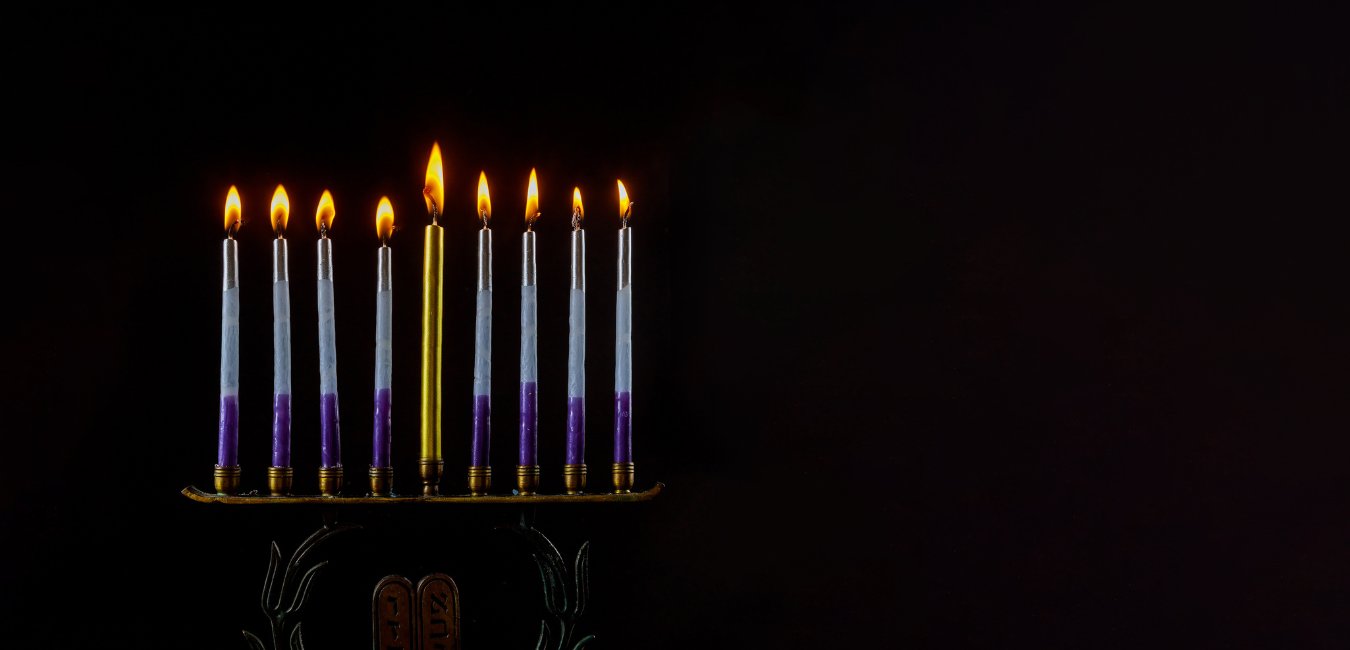
Hanukkah Menorah with all eight candles lit in dark room

Funerals and Shiva During Hanukkah

When Hanukkah is on the horizon, we think about all the good times and great traditions that come with it. The last thing on our minds is funerals and what would happen should a death occur during this joyous holiday. But we can experience death and mourning at any time and the Jewish holiday of Hanukkah is no exception. Learn more about funerals and shiva during Hanukkah. 

What Happens if Someone Dies During Hanukkah?

The Hanukkah celebration lasts for eight nights. Unfortunately, death can happen just before or during this time. If so, since a Jewish burial takes place within 24-48 hours after the death occurred, the funeral and shiva will inevitably overlap with the holiday. And the presence of the holiday would not change this timing. The only timeframe during Hanukkah that a funeral or shiva would not be permissible is Shabbat, similar to non-holiday rules. 

Is Shiva Affected by Hanukkah?

As with Shabbat, the Jewish holidays have nuances pertaining to funerals and the mourning period, shiva. Some holidays like Yom Kippur and Passover, have more specific changes than others. Hanukkah does not disrupt sitting shiva or the ability to pay a shiva call. The practice of receiving support and comfort from friends and family members is perfectly acceptable throughout the holiday. 

Open acts of mourning, such as torn clothing or wearing a black ribbon, are not carried out during festivals such as Hanukkah. 

Is it Okay to Have a Holiday Meal Together?

Some families honor their deceased loved ones while gathering together for a holiday meal during Hanukkah. Acknowledging and participating in the festive holiday meal while reminiscing allows the living to celebrate the life of the departed in a joyful way.

Do We Still Light the Menorah?

On Hanukkah, it is acceptable for mourners to kindle the menorah and say a prayer in remembrance of the decedent. Families who have recently lost a member may choose not to light the menorah to express their grief. This practice symbolically reflects the decreased light in the home due to the deceased’s absence. 

Can We Attend Hanukkah Services with the Congregation?

During shiva, the family refrains from making public appearances and remains in their home. Fortunately, we mainly celebrate Hanukkah within the home. Although the mourners are welcome to attend holiday services, they should not take on any leadership roles. Any holiday activities performed by the family during this time of grieving should be done respectfully and in accordance with a state of mourning. 

Hanukkah Enables the Connection to Loved Ones Even if You are Grieving

The true spirit of Hanukkah is about being grateful for what we have in our lives – and honoring those who are no longer with us. We celebrate Hanukkah by spending time with family, which is also done when we attend funerals and sit shiva.

Assistance is Available if You Need It

What families experiencing a loss observe varies based on individual beliefs and religious practices. A rabbi can confirm the procedures for a funeral or shiva if you encounter a death around holiday time. 

Contact our funeral directors at Star of David Memorial Chapels on Long Island, New York, if you have any questions about planning Jewish funerals during Hanukkah. Our team will guide you through every step of the process and will be happy to answer any questions. Call us today at 631-454-9600.